


How Do I Know if I Have a Leak in My Sprinkler System?

Updated: 3 days ago
A leaking sprinkler system can lead to wasted water, higher utility bills, and damage to your lawn and garden. If you suspect a leak but aren’t sure where it’s coming from, identifying the issue early can save you money and prevent long-term damage. In this blog post, we will walk you through the signs that indicate you might have a leak in your sprinkler system and how to troubleshoot it effectively.
Why Identifying a Sprinkler Leak Is Important
Leaks in your sprinkler system can cause multiple problems, including:
Wasted Water: A leak can lead to water pooling in unwanted areas, creating unnecessary water usage.
Higher Utility Bills: Leaks often go unnoticed until your water bill spikes, costing you more than necessary.
Damage to Your Lawn: Puddles or excessive watering can lead to lawn damage, mold, or even erosion.
Pressure Loss: A leak can cause a drop in water pressure, leading to ineffective irrigation.
It’s essential to spot the signs of a leak early to minimize the damage and maintain the efficiency of your sprinkler system.
Common Signs of a Sprinkler System Leak
Here are some of the most common signs that you might have a leak in your sprinkler system:
1. Wet Spots or Puddles on Your Lawn
One of the most obvious signs of a leak in your sprinkler system is the appearance of wet spots or puddles on your lawn, especially when the system isn’t running. If you notice consistently soggy areas in your yard, it could mean that water is leaking out of a broken pipe or sprinkler head.
What to Do:
Check for pooling water near sprinkler heads or along the lines.
Pay attention to areas where the grass is unusually lush or wet even when the system isn’t running.
2. Low Water Pressure or Uneven Coverage
If some areas of your lawn are being overwatered while others are under-watered, it might indicate a leak. A drop in water pressure due to a leak can cause your sprinklers to perform unevenly.
What to Do:
Turn on the system and observe if all the sprinkler heads are spraying at the expected pressure.
If some areas have weak spray or no water at all, there may be a leak in that area of the system.
3. A Spike in Your Water Bill
A sudden increase in your water bill without a corresponding increase in usage is another clear indication that you may have a leak in your sprinkler system. Leaks can allow water to continuously flow without being utilized, leading to higher-than-usual consumption.
What to Do:
Compare your current water bill to previous months and look for any significant increase.
If there’s a noticeable spike, it’s worth investigating your sprinkler system for leaks.
4. Visible Damage to Sprinkler Heads or Pipes
Sprinkler heads or pipes that are cracked, broken, or misaligned can cause leaks. Over time, the components of your sprinkler system can wear out due to exposure to weather, physical damage, or age.
What to Do:
Inspect your sprinkler heads and pipes for any visible signs of damage.
Check for cracks, water pooling around the base of the heads, or any sprinkler heads that seem out of place.
5. Strange Noises from the System
Hissing or gurgling sounds coming from the sprinkler system when it's turned off might indicate a leak in the system. These noises occur when water is escaping from a broken pipe or faulty valve.
What to Do:
Turn the system off and listen for any strange noises from the pipes or sprinkler heads.
If you hear water running or leaking when the system is off, it's a good sign that there’s a problem.
How to Find the Leak in Your Sprinkler System
A professional can use specialized equipment, like a leak detection tool, to locate the leak with precision and fix the problem without causing damage to your lawn.
If you notice any of the signs mentioned above, it’s time to start troubleshooting your sprinkler system to find the leak. Here’s how you can pinpoint the problem:
Step 1: Shut Off the Water Supply
The first step in locating a leak is to shut off the water supply to your sprinkler system. This will help prevent further water wastage and allow you to assess the situation.
Step 2: Check the Sprinkler Valves
Inspect the sprinkler valves for any visible leaks. If you notice any dripping or pooling around the valves, it may indicate a leak in the valve assembly or the connection to the main water line.
What to Do:
Tighten any loose valve connections.
If there’s still leakage, you may need to replace the valve or the seals.
Step 3: Inspect the Pipes and Fittings
Once the water is off, inspect the pipes and fittings for any cracks or damage. Leaks often occur at joints, where the pipes connect, or at places where the pipes have been damaged.
What to Do:
Look for wet spots around pipes or fittings that aren’t connected properly.
Tighten any loose connections and replace any damaged sections of the pipes.
Step 4: Test the Sprinkler Heads
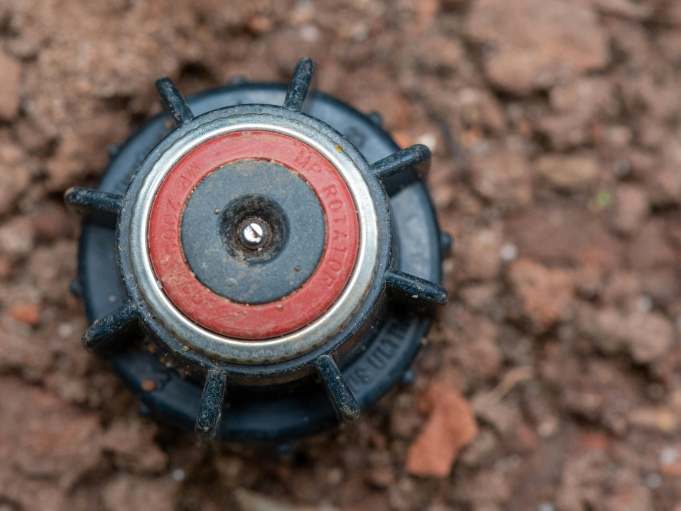
Sprinkler heads are a common source of leaks. If you notice water pooling around a specific sprinkler head, it may be leaking from the head or the pipe it’s connected to.
What to Do:
Remove the sprinkler head and inspect the connection for any damage.
Clean any dirt or debris from the head that could be obstructing the water flow.
Replace any broken or cracked sprinkler heads.
Step 5: Pressure Test the System
If you're still unable to locate the leak, performing a pressure test can help. A pressure gauge can be used to check if there is a loss of pressure in any part of your sprinkler system, which may indicate the presence of a leak.
What to Do:
Install a pressure gauge at the system’s valve and check the pressure before and after you turn on the system.
If the pressure drops unexpectedly, it’s likely that there’s a leak in the system.

When to Call a Professional
While you can troubleshoot and fix many sprinkler system leaks yourself, there are situations where it’s best to call a professional. If you cannot locate the leak, or if the damage is extensive (such as leaks in buried pipes), it’s best to consult a professional sprinkler repair technician.
A professional can use specialized equipment, like a leak detection tool, to locate the leak with precision and fix the problem without causing damage to your lawn.
Conclusion
Identifying and fixing leaks in your sprinkler system early is crucial to preventing water waste, saving money, and ensuring your lawn stays healthy. By watching for signs like wet spots, low water pressure, and a spike in your water bill, you can catch leaks before they become major problems. If you're unsure about how to fix the issue, don’t hesitate to call in a professional to help repair and maintain your sprinkler system.
Regular maintenance and inspections are key to keeping your irrigation system in top shape and ensuring your lawn remains lush and green all season long.
We repair sprinkler leaks for homeowners in White Settlement and Benbrook, too.


Comments