


How to Identify Poor Drainage Before Buying a House

Buying a house requires careful attention to its condition, including how well the property handles rainwater. Many homebuyers focus on the roof, walls, flooring, and interior features, but they often overlook drainage problems around the house. Poor drainage can cause standing water, soil erosion, foundation damage, and moisture problems inside the home.
Some drainage problems remain hidden during dry weather, making them difficult to notice during a regular property visit. However, certain warning signs can help you identify possible problems before making a purchase.
Understanding what to inspect can help you avoid unexpected repairs and make a better buying decision. Here is how to identify poor drainage before buying a house.
Why Should You Check Drainage Before Buying a House?
A proper drainage system directs excess water away from the house and prevents it from collecting around the foundation. When the system fails to move water effectively, moisture can remain in the soil and affect different parts of the property.
Water that repeatedly collects near the house can enter basements, damage landscaping, and weaken the soil supporting outdoor structures. Over time, these conditions may create expensive maintenance problems.
A house may look clean and well-maintained during a showing, but its appearance does not always reveal how the yard handles heavy rainfall. Checking drainage before buying helps you understand the property's condition and identify repairs that may require additional money.
1. Visit the Property After Heavy Rainfall
One of the most useful ways to check drainage involves visiting the property during or shortly after rainfall. Rainwater can reveal problems that remain difficult to notice when the ground is dry.
Walk around the yard and observe where water collects. Pay attention to areas near the foundation, driveway, sidewalks, and garden beds. Water should move away from the house instead of remaining against exterior walls.

Some puddles may appear after heavy rain, especially in areas with clay soil. However, large puddles that remain long after nearby areas have dried deserve further inspection.
If possible, arrange another visit after a storm. Comparing the property's condition during dry and wet weather can provide a clearer understanding of how the drainage system performs.
2. Examine the Ground Slope Around the House
The direction of the ground around a house affects how rainwater moves across the property. Ideally, the ground should slope away from the foundation so water can travel toward a suitable drainage area.
When the ground slopes toward the house, rainwater can collect near exterior walls and increase the chance of moisture entering the building.
Walk around the property and observe whether the soil rises or falls as it extends away from the foundation.
As a general drainage guideline, the ground should drop approximately six inches over the first ten feet away from the house, where space allows. Local conditions and building requirements may differ.
Pay close attention to areas where soil has settled or landscaping changes have created low spots. These areas can collect water even when the rest of the yard drains properly.
3. Look for Standing Water and Soggy Areas
Standing water is one of the clearest warning signs of a possible drainage problem. Although rainfall naturally makes the ground wet, water should not remain trapped in the same areas repeatedly.
Check for puddles around patios, walkways, fences, and low sections of the lawn. Also, notice whether the ground feels unusually soft under your feet.
Soil that stays wet for extended periods may have difficulty absorbing or releasing excess water.
Look for muddy patches, damaged grass, and exposed roots where flowing water has removed soil. These conditions can help you identify areas that receive excessive runoff.
Ask the seller whether particular sections of the yard regularly flood or remain muddy after storms.
4. Inspect Gutters and Downspouts
Gutters collect rainwater from the roof, while downspouts carry it toward the ground. Their condition can affect drainage around the entire house.
During your inspection, check whether gutters contain leaves, dirt, or other debris that could prevent water from flowing properly.
Look for loose sections, visible damage, and stains beneath the gutters that suggest water has overflowed repeatedly.

Next, examine where each downspout releases water. Downspouts that empty directly beside the foundation can concentrate large amounts of rainwater in a small area.
Extensions should carry water away from the house toward a suitable drainage location. Also, check whether the water could flow back toward the foundation after leaving the extension.
5. Pay Attention to Soil and Lawn Conditions
The condition of the lawn can provide useful information about drainage problems that are not immediately visible.
Look for sections where grass appears unhealthy despite receiving enough sunlight and regular care. Excessive moisture can damage roots and prevent healthy grass growth.
Areas with unusually thick moss, persistent mud, or plants that prefer wet conditions may also suggest frequent moisture buildup.
However, unhealthy grass does not always mean poor drainage. Shade, insects, lawn diseases, and irrigation problems can produce similar results.
Compare different sections of the yard and check whether the wettest areas match other warning signs, such as standing water or nearby downspouts.
6. Check the Basement and Crawl Space for Moisture
Drainage problems outside the house can sometimes cause moisture problems indoors. Basements and crawl spaces deserve particular attention because they sit close to the surrounding soil.
When viewing the property, check for water stains along basement walls and floors. Notice any peeling paint, damp patches, or white deposits on concrete surfaces.
A persistent musty smell may suggest that moisture has entered the area previously, even when the surfaces appear dry.
If the house has a crawl space, ask the home inspector to examine it for standing water, wet wood, and damaged materials.
Remember that indoor moisture can also come from plumbing leaks or condensation. A qualified inspector should identify the source before you assume outdoor drainage caused the problem.
7. Look for Cracks and Water Damage Around the Foundation
The foundation supports the house, so signs of damage around this area require careful attention.
Examine the visible foundation walls for cracks, stains, and areas where soil has washed away. Check whether water appears to collect along one side of the building.
Small cracks can develop for several reasons, but wider cracks, horizontal cracks, or signs of wall movement may require an inspection by a structural engineer.
Also, look for gaps between the soil and foundation that could allow water to collect.
Poor drainage does not cause every foundation problem. However, repeated moisture changes in the surrounding soil can contribute to movement and damage, particularly in areas with clay soil.
8. Examine Driveways, Walkways, and Patios
Concrete surfaces can change the direction of rainwater and create drainage problems around a house.
Inspect driveways, walkways, and patios to see whether they slope toward the building. Rainwater that flows across these surfaces may collect against exterior walls or enter low doorways.
Look for standing water, cracks, uneven sections, and areas where the pavement has settled.

Pay attention to locations where the driveway meets the garage. Water should not collect near the garage entrance or regularly flow underneath the door.
If the yard contains retaining walls, check for water collecting behind or around them. Excess moisture can increase pressure on these structures and contribute to damage.
9. Check Existing Yard Drainage Systems
Some properties already have drainage systems that help remove excess water from problem areas.
Look for drainage grates, underground pipe outlets, or shallow channels that guide water across the yard.
Ask the seller what type of drainage system the property has and when the system was installed.
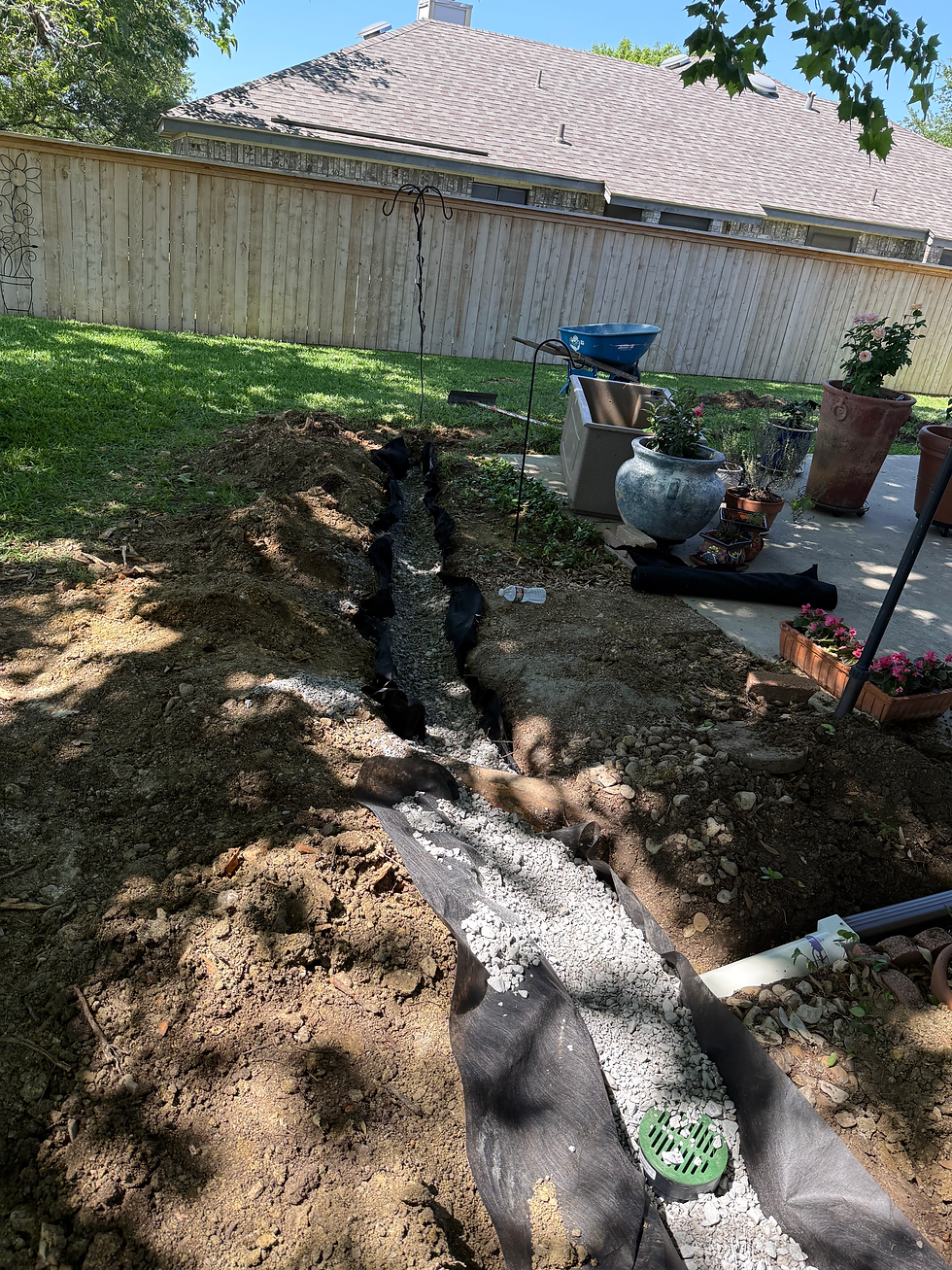
A French drain, for example, uses a gravel-filled trench and often a buried pipe to collect and move excess water. Surface drains collect water from low areas and direct it toward an outlet.
Check whether visible drain openings contain soil, leaves, or other debris. Also, confirm where the collected water goes.
An existing system does not guarantee proper drainage, particularly when pipes have become blocked or damaged.
10. Inspect the Sprinkler and Irrigation System
An irrigation system can contribute to wet areas when it delivers too much water or develops underground leaks.
If the property has automatic sprinklers, ask the seller to operate the system during the inspection.
Watch for sprinkler heads that spray directly against the house, broken connections, and areas where water collects while the system runs.
Check for wet patches that remain even when the weather has been dry. These areas may indicate leaking irrigation pipes.
Also, review the watering schedule to see whether the system runs too frequently.
A drainage problem may come from rainwater, irrigation water, or a combination of both. Identifying the actual source helps prevent unnecessary repairs.
11. Ask the Seller About Previous Water Problems
A property's repair history can reveal drainage problems that you might not notice during a short visit.
Ask the seller whether the basement has ever flooded, whether the yard regularly collects water, or whether contractors have completed drainage repairs.
You should also request information about previous foundation work, gutter improvements, and underground drainage installations.
If the seller reports earlier repairs, ask for invoices, warranties, and available inspection reports.
Review the seller's property disclosure carefully, keeping in mind that disclosure requirements vary by state.
Recent landscaping changes also deserve attention. New soil, fresh grass, or recently installed drainage pipes may reflect routine improvements, but they can also indicate earlier water problems.
These questions can help you decide which areas need further professional inspection.
12. Research the Property's Flood Risk
The surrounding location can affect drainage conditions even when the house itself appears well-maintained.
A property near a creek, low-lying road, or area that regularly experiences heavy runoff may face a greater chance of flooding.
Check the property's address through the Federal Emergency Management Agency's flood map resources. These maps provide information about flood hazards in different locations.
However, a property outside a mapped high-risk flood area can still experience standing water and local drainage problems.
You can also ask local authorities about previous street flooding, stormwater improvements, and drainage complaints in the neighborhood.
Understanding the surrounding conditions helps you assess risks that may extend beyond the property boundaries.
13. Arrange a Professional Inspection Before Buying
Your observations can help identify warning signs, but a professional inspection provides a more detailed review of the property.
Hire a qualified home inspector who examines drainage conditions, foundation areas, basement moisture, and visible exterior defects.
If the inspector identifies serious drainage concerns, consider hiring a drainage contractor for further evaluation.
The contractor can examine the yard slope, identify where water collects, and recommend suitable repairs.
For homes around Fort Worth, Bob's drainage services include options such as French drains and channel drains. These systems may help when existing drainage cannot move excess water away from problem areas.
Ask for a written estimate before making a final buying decision. This information can help you understand the possible repair costs and discuss the findings with the seller.
14. Understand the Repairs a Property May Need
Finding a drainage problem does not automatically mean you should avoid buying the house. Some problems require simple maintenance, while others involve larger repairs.
For example, cleaning blocked gutters or extending downspouts may correct water buildup near certain areas of the foundation.
Other properties may need surface drains, underground pipes, or changes to the ground slope.
If the yard directs water toward the house, professional grading and leveling services may help correct the ground's slope and improve the direction of water flow.
Before agreeing to repairs, confirm where the water will go. Drainage changes should not direct unwanted water onto neighboring properties or violate local requirements.
Compare the estimated repair costs with your budget and the property's overall condition before deciding how to proceed.
Conclusion
Checking drainage before buying a house can help you identify moisture problems that may otherwise remain unnoticed until after the purchase.
Examine the yard after rainfall, inspect the ground slope, review gutters and downspouts, and look for signs of water damage around the foundation. Also, ask about previous repairs and arrange a professional inspection when you notice concerning conditions.
These steps can help you understand how the property handles excess water and what repairs it may require.
A careful drainage inspection allows you to make a more informed buying decision while reducing the risk of unexpected water-related expenses.


Comments